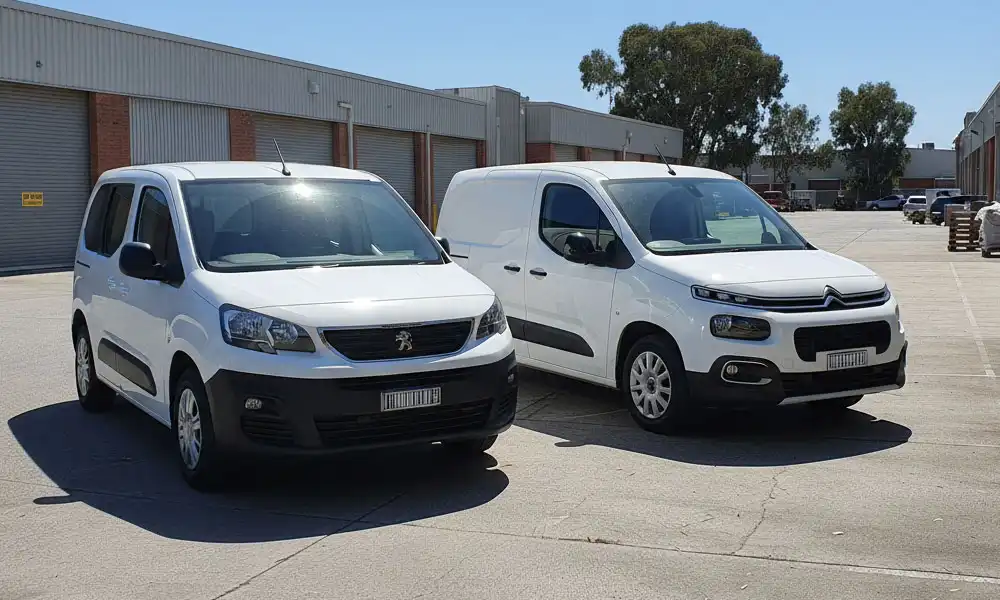
Mobile Van Servicing in Brisbane: When It Saves You Time and When It Doesn’t
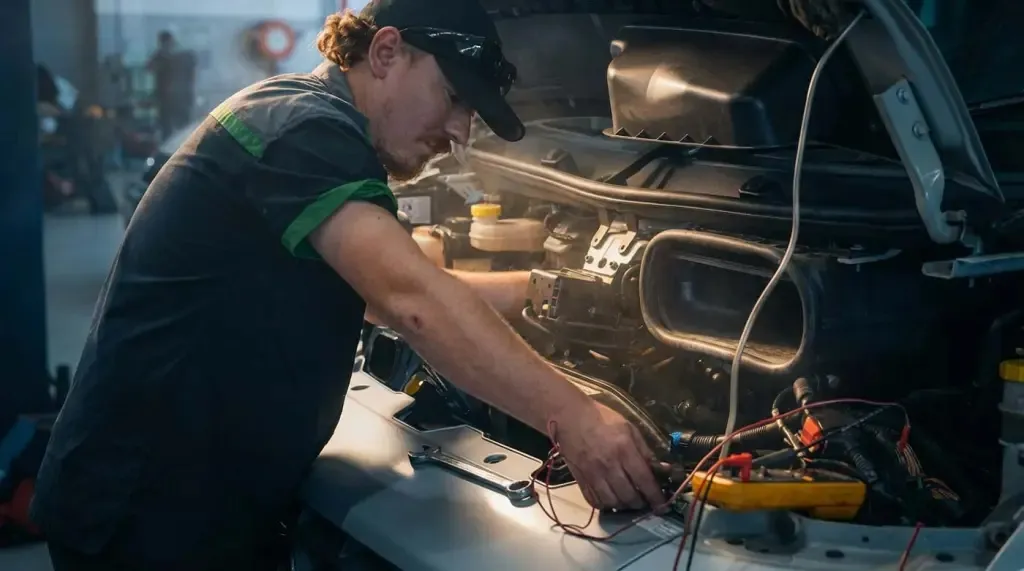
Most commercial vehicles don’t fail in a workshop. They fail mid-job, mid-delivery, mid-afternoon.
That is the problem mobile servicing solves.
Mobile van servicing brings maintenance to your driveway, depot, or job site. No drop-offs. No waiting. No lost hours. Just a technician, the right tools, and work done where your vehicle sits.
For Brisbane operators managing tight schedules, that shift from “take the van to the mechanic” to “bring the mechanic to the van” changes how you run the business.
What Mobile Servicing Actually Covers
Mobile servicing is not a workshop stripped down. It is a focused system built around repeatable, on-site maintenance.
A standard visit includes:
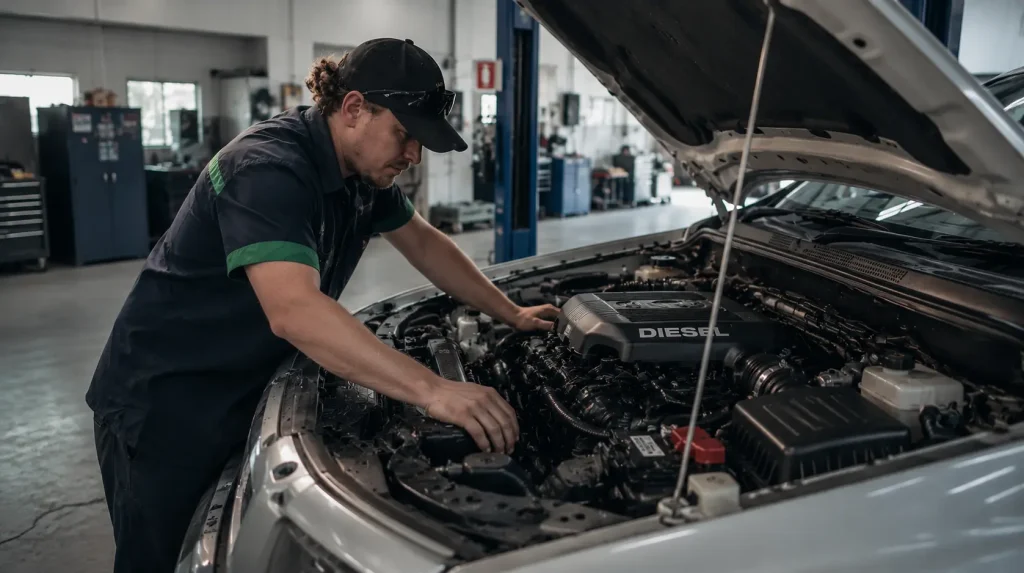
- Engine oil and filter replacement
- Air and cabin filter checks
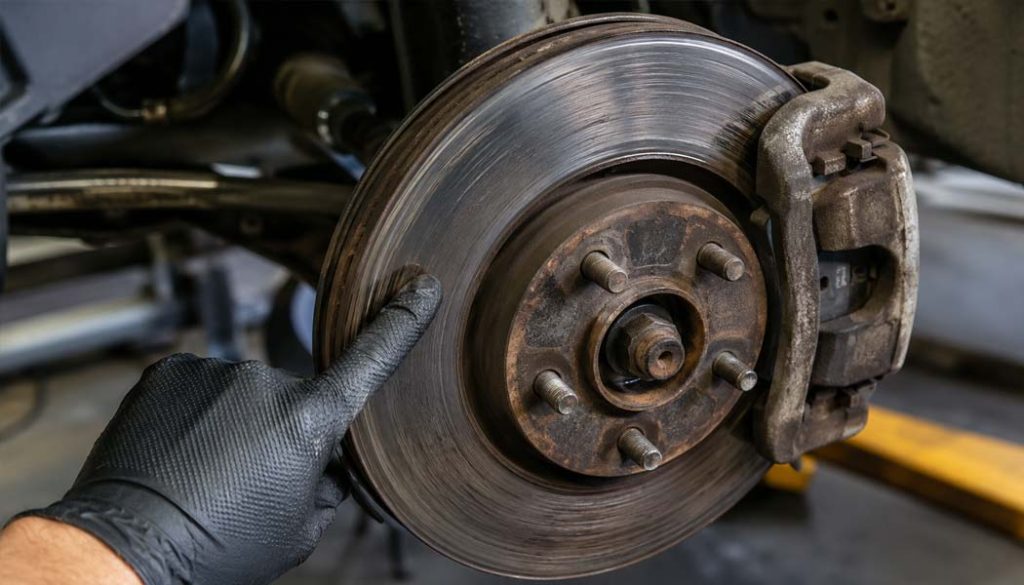
- Brake inspection and testing
- Fluid checks and top-ups (coolant, brake, power steering)
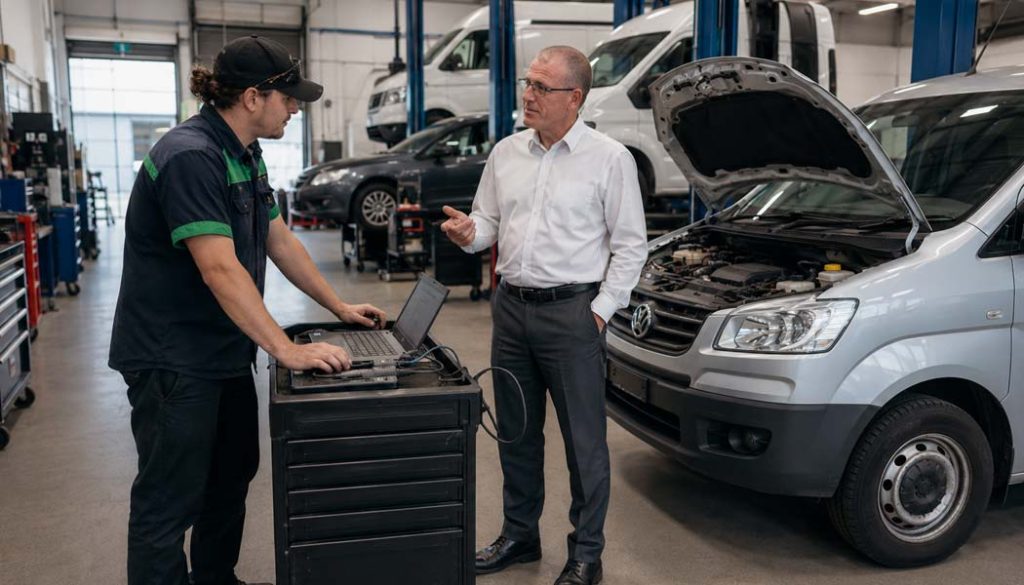
- Basic diagnostics using portable scan tools
- Battery and electrical checks
Think of it as a scheduled health check. It keeps systems running properly and catches small issues before they become expensive ones.
Who Uses Mobile Servicing Most
Mobile servicing suits businesses where vehicle downtime directly costs money.
- Trade contractors with multiple vans
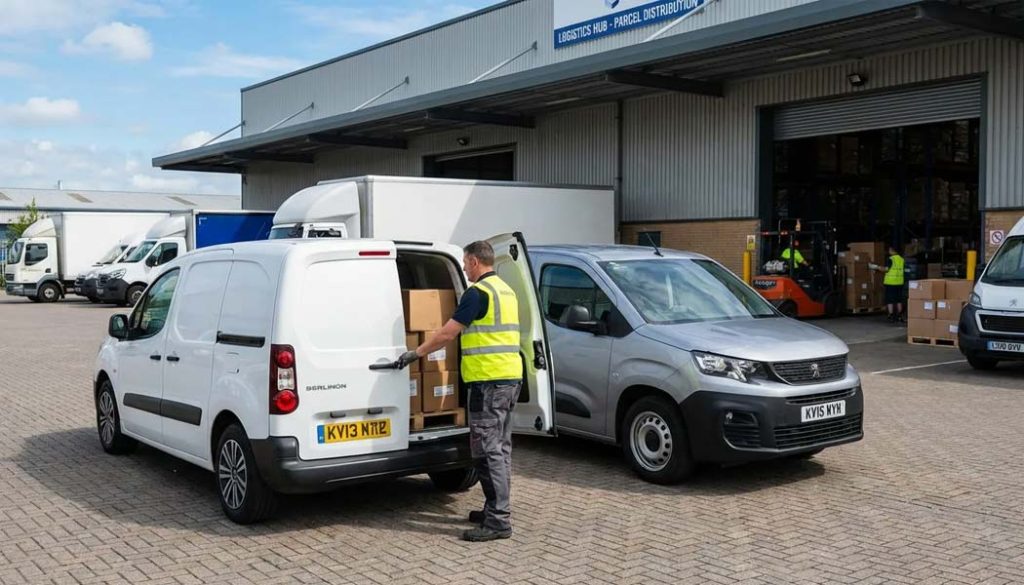
- Local delivery fleets
- Service vehicles on client sites
- 4×4 work vehicles operating across multiple locations
- Courier operations with tight schedules
Why Brisbane Businesses Are Moving Toward Mobile Servicing
1. Time Stays in Your Control
No drop-offs. No pickups. No waiting rooms. Your vehicle stays where it is, and servicing happens around your schedule.
2. Work Doesn’t Stop
Servicing can happen during overnight parking, staff downtime, or between jobs.
3. Scheduling Becomes Predictable
Instead of reacting to breakdowns, you move to planned maintenance cycles.
4. Better Fleet Visibility
You see exactly what is happening with your vehicle. No surprises.
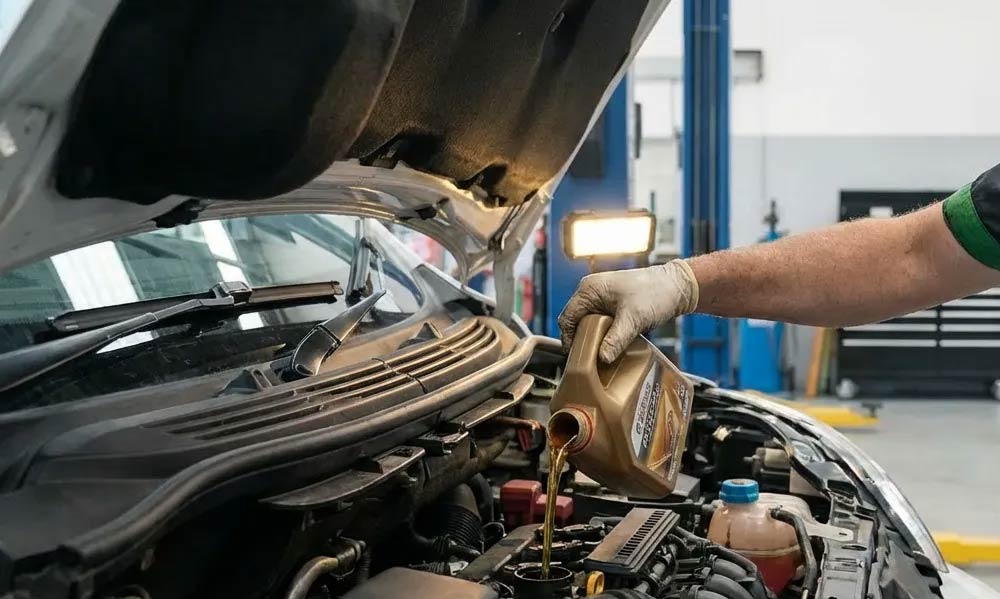
Where Mobile Servicing Falls Short
Mobile servicing is not a workshop replacement.
Equipment Limitations
- No heavy lifting equipment
- Limited diagnostics capability
- No engine or transmission rebuilds
Repair Complexity
- Engine overhauls
- Transmission repairs
- Advanced electrical issues
Environmental Constraints
Weather, access, and space can impact servicing conditions.
Mobile vs Workshop Servicing
| Service Type | Mobile Servicing | Workshop Servicing |
|---|---|---|
| Best For | Routine maintenance | Complex repairs |
| Downtime | Minimal | High |
| Equipment | Portable tools | Full workshop |
How to Service Commercial Vans and 4x4s Properly
Service Intervals
- Minor: 10,000–15,000 km
- Major: 30,000–40,000 km
- Heavy use: shorter intervals
Essential Maintenance
- Oil and filter changes
- Brake inspections
- Fluid checks
- Tyre checks
- Battery health
Is Mobile Van Servicing Worth It?
Yes, for routine maintenance and reducing downtime.
No, if you rely on it for complex repairs.
The best approach is combining mobile servicing for routine work and workshops for complex jobs.
FAQ's
1. When should I choose mobile servicing instead of a workshop?
Choose mobile servicing when the work is routine and your priority is keeping the vehicle on the road. Oil changes, inspections and scheduled maintenance can be done on-site with no downtime. If the issue is unknown or performance-related, a workshop is usually the better starting point.
2. What types of van issues cannot be fixed on-site?
Anything that requires heavy equipment, advanced diagnostics or major disassembly needs a workshop. This includes engine faults, transmission problems, complex electrical issues and warning lights that require deeper fault tracing. Mobile servicing is designed to maintain vehicles, not rebuild them.
3. Does mobile van servicing cost more than going to a workshop?
The service itself is often comparable in price, but the real saving comes from reduced downtime. You are not losing half a day dropping off and collecting the vehicle. For businesses, that difference usually outweighs any small price variation in the service itself.
4. Can a business rely only on mobile servicing for a fleet?
No. Mobile servicing works best as part of a maintenance strategy, not as a full replacement. Most businesses use it for scheduled servicing and inspections, then rely on a workshop when faults, breakdowns or complex repairs arise. The combination is what keeps fleets reliable.
Other posts you will find helpful