Genuine vs Aftermarket Parts for Fiat, Peugeot and Citroën Vans: What Actually Matters

Genuine and Aftermarket Parts for Fiat, Peugeot & Citroën Vans
Here is something nobody tells you when your van needs a part replaced: the decision you make in the next five minutes can cost you a lot more money later, or save you some now. Neither choice is automatically wrong. But one of them requires a lot more homework.
This guide breaks it all down simply. No jargon walls. No sales pitch. Just what you actually need to know before you say yes to a part.
First, What Is a Genuine Part?
Think of it like buying a spare key from the car manufacturer versus getting one cut at the hardware store. The manufacturer’s key is made to the exact same spec as the original. It works perfectly every time. The hardware store key might work fine, or it might stick a little, or one day it might just stop working.
Genuine parts, also called OEM (Original Equipment Manufacturer) parts, are made to the exact specifications of your vehicle. For Fiat, Peugeot and Citroën vans, these are engineered specifically for the PSA platform architecture that underpins models like the Peugeot Partner, Citroën Berlingo, Peugeot Expert and Citroën Dispatch.
They go through the manufacturer’s quality control process, are tested to work with your van’s electronics, sensors and mechanical systems, and are supplied through authorised PSA service networks.
So What Is an Aftermarket Part?
An aftermarket part is made by a third party company, not the original manufacturer. They are widely available, often cheaper and designed to fit a broad range of vehicles rather than your specific one.
Not all aftermarket parts are the same. Some are genuinely excellent. Some are surprisingly poor. The brand, country of manufacture and quality tier matter enormously.
The challenge is knowing the difference, and most van owners are not in a position to assess that without professional guidance.
The Stuff That Actually Matters: Key Differences
Fitment
Genuine parts are built for your exact vehicle. They bolt on, connect up and work. No adjustments, no surprises. Aftermarket parts are often designed to fit multiple vehicle models across different brands. For basic wear items this may not matter much. For components connected to your van’s electronic systems, it can matter a great deal.
Diagnostic Compatibility
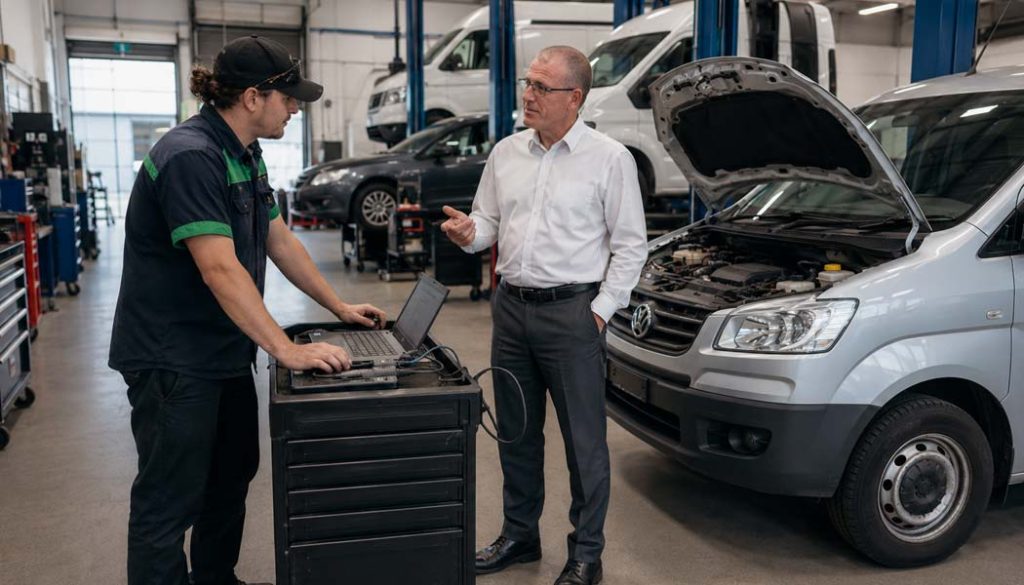
Modern Fiat, Peugeot and Citroën vans are essentially computers on wheels. When a technician plugs in a professional PSA diagnostic tool, it expects components to respond in a very specific way. A genuine part speaks the same language. Some aftermarket parts speak a slightly different dialect, and that can result in false error codes, inaccurate readings or calibration issues that are genuinely difficult to trace back to the source.
If your van suddenly shows a warning light after a service using aftermarket parts, this is often why.
Performance Over Time
Genuine parts are manufactured to last under the operating conditions your van is designed for. Commercial vans work hard. For van fleet operators managing multiple vehicles, consistency and predictable service intervals are not a nice-to-have. They are how you keep a business running.
Warranty: The Part People Skip Reading
If your van is still under manufacturer warranty, the parts used during servicing matter legally. Using non-approved components does not automatically void your warranty, but if a failure occurs and it can be linked to an incompatible part, the manufacturer has grounds to dispute the claim.
Genuine parts align with manufacturer servicing guidelines and maintain your position if you ever need to make a warranty claim. For fleet operators with formal maintenance obligations or lease agreements, this is not optional reading. It is a contractual consideration.
The Cost Question (Honestly)
Yes, genuine parts cost more upfront. A quality aftermarket part might be 20 to 40 percent cheaper at point of purchase. On a tight budget or for a high-mileage workhorse coming to the end of its useful life, that saving can be a reasonable decision.
But total cost of ownership tells a fuller story. A genuine part that lasts its full intended lifespan and causes zero diagnostic headaches is often cheaper over three years than an aftermarket part that needs replacing sooner, triggers a workshop visit to chase a ghost fault code or causes a warranty dispute.
The honest answer: it depends on the component, the quality of the aftermarket option and what you are trying to achieve with the vehicle.
When Aftermarket Parts Can Make Sense
Basic consumables like air filters, cabin filters or wiper blades from a reputable brand are generally low-risk. Components that have no interaction with your van’s electronic systems and carry verified specifications from a known supplier can offer a sensible cost saving without meaningful downside.
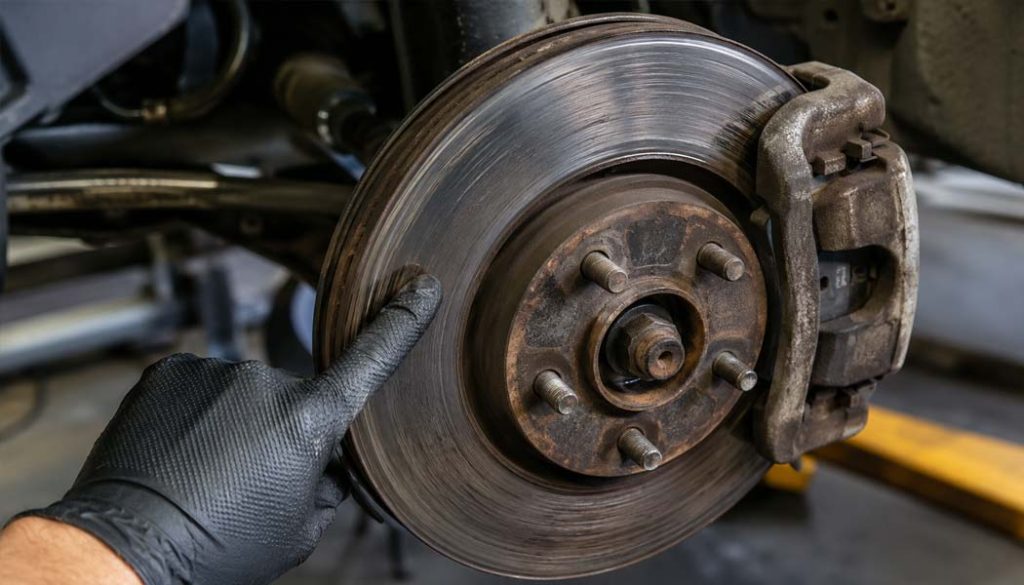
The categories to be most cautious with are sensors, electronic modules, braking components and anything that communicates with the PSA onboard diagnostic system. These are the areas where compatibility matters most and where a poor choice creates the most expensive problems.
Why Authorised Service Centres Change the Equation
An authorised Peugeot and Citroën service centre does not just have access to genuine parts; they have the diagnostic tools, technical training and model-specific knowledge that makes the whole process work properly.
For vehicles like the Peugeot Partner and Citroën Berlingo servicing, which share platform engineering and have tightly integrated electronic systems, that expertise is not a bonus. It is what separates a van that runs well for another five years from one that starts quietly accumulating small problems that nobody can quite explain.
If you are looking for Peugeot servicing in Brisbane or Citroën van servicing in south-east Queensland, working with a specialist who understands PSA platforms makes a measurable difference.
The Simple Version (Stick This on the Fridge)
Genuine parts cost more and cause fewer problems. Aftermarket parts cost less and require more homework. For most things connected to your van’s electronics and diagnostics, genuine is the safer bet. For basic wear items from a trusted brand, quality aftermarket can be fine. When in doubt, ask a qualified technician who specialises in your vehicle.
FAQ's
1. Are genuine parts always better than aftermarket for vans?
For components connected to electronics and diagnostics, yes in most cases. For basic consumables from a reputable brand, quality aftermarket parts can be a reasonable choice.
2. Can aftermarket parts void my warranty?
Not automatically. But if a failure is linked to a non-approved component, the manufacturer may dispute the claim. Genuine parts remove that risk entirely.
3. Why do genuine parts cost more?
They are manufactured to tighter specifications, tested for your exact vehicle and supplied through controlled distribution channels. The price reflects the engineering behind them.
4. Can aftermarket parts cause warning lights to appear?
Yes. Some aftermarket components do not communicate correctly with PSA diagnostic systems, which can trigger fault codes or calibration issues that are difficult to diagnose.
5. How do I know if a part is genuinely OEM?
Genuine parts are supplied through authorised service centres, matched to your vehicle’s VIN and meet manufacturer specifications. If you are not sure, ask your service provider directly.
6. Where can I get genuine parts for my Peugeot or Citroën van in Brisbane?
Authorised PSA service specialists in Brisbane and south-east Queensland can source and fit genuine parts with full documentation. This is the most reliable way to ensure quality and traceability.
Other posts you will find helpful