4×4 Commercial Vehicle Servicing Checklist What Trades and Fleets Should Look For

For tradespeople and fleet operators, keeping a commercial 4×4 in top working condition is essential for daily operations. These vehicles face tougher conditions, heavier loads and more demanding work cycles than standard vehicles. That is why a detailed and reliable servicing checklist is crucial for longevity, safety and performance. East Coast Commercial Services provides expert support for maintaining commercial 4×4 vehicles, ensuring each vehicle performs safely and efficiently across worksites and long-distance travel. With the right inspections and servicing intervals, fleet owners can prevent costly breakdowns and protect the productivity of their team.
Most commercial 4×4 vehicles operate under more stress than the average driver ever experiences. From jobsite travel to carrying heavy tools and towing equipment, these vehicles require consistent attention to ensure reliability. This guide explains the essential components of a 4×4 commercial vehicle service checklist so fleet managers and tradespeople know exactly what to expect and how to maintain their investment. With the right servicing plan, your fleet remains productive, compliant and ready for everyday challenges.
Why Proper 4x4 Commercial Servicing Matters for Trades and Fleets
A commercial 4×4 is more than transportation. It is a work tool, a mobile workshop and sometimes the backbone of a business. When a vehicle breaks down, productivity slows and jobs may be delayed. Proper servicing prevents sudden failures and protects the long term value of your fleet.
Regular servicing also ensures that your vehicles meet safety standards, reducing risks for drivers and operators. Vehicles used for trade work often carry sharp tools, heavy machinery and equipment that require stable suspension, reliable brakes and consistent engine performance. Keeping everything in top condition protects both employees and other road users.
Consistent servicing also supports fuel efficiency, better handling and improved towing capabilities. For businesses operating in tight schedules and varying jobsite conditions, a well serviced 4×4 becomes one of the most reliable assets they own.
Understanding the Demands on Commercial 4x4 Vehicles
A commercial 4×4 is more than transportation. It is a work tool, a mobile workshop and sometimes the backbone of a business. When a vehicle breaks down, productivity slows and jobs may be delayed. Proper servicing prevents sudden failures and protects the long term value of your fleet.
Regular servicing also ensures that your vehicles meet safety standards, reducing risks for drivers and operators. Vehicles used for trade work often carry sharp tools, heavy machinery and equipment that require stable suspension, reliable brakes and consistent engine performance. Keeping everything in top condition protects both employees and other road users.
Consistent servicing also supports fuel efficiency, better handling and improved towing capabilities. For businesses operating in tight schedules and varying jobsite conditions, a well serviced 4×4 becomes one of the most reliable assets they own.
Commercial 4x4s handle more intense wear than regular vehicles. Their engineering allows them to withstand harsh environments, but even strong builds require attentive maintenance. Understanding the demands placed on these vehicles helps fleet managers prioritise the right servicing tasks.
Heavy Loads and Towing Wear
Many tradespeople rely on their 4x4s to transport equipment, tools, materials and sometimes even tow large trailers. The extra load places pressure on:
Key Components Affected by Towing
- Suspension components
- Brakes
- Transmission
- Engine cooling systems
Towing heavy loads increases heat generation and stress on drivetrain components. Over time, this leads to wear if not serviced regularly. Proper checks help ensure vehicles can handle towing tasks without sacrificing safety.
Off Road and Worksite Conditions
Commercial 4×4 vehicles frequently encounter rough terrain, uneven worksite surfaces and dusty environments. These
conditions accelerate wear on suspension, tyres, steering components and filters. Regular maintenance keeps the
vehicle prepared for demanding environments and reduces the risk of damage.
Vehicles used in construction, electrical, plumbing and agricultural sectors often travel through dirt, gravel, mud
and uneven paths. These conditions make consistent servicing essential for long term durability.
Key Components of a 4x4 Commercial Vehicle Service Checklist
A dependable checklist includes:
- Engine and diesel system inspection
- Suspension and steering evaluation
- Brake system assessment
- Transmission and driveline checks
- Electrical and battery health
- Tyre and wheel alignment assessment
- Safety compliance and vehicle readiness
Each section plays a key role in vehicle health. Regular servicing prevents small issues from becoming costly repairs and helps businesses maintain fleet reliability.
Engine and Diesel System Checks
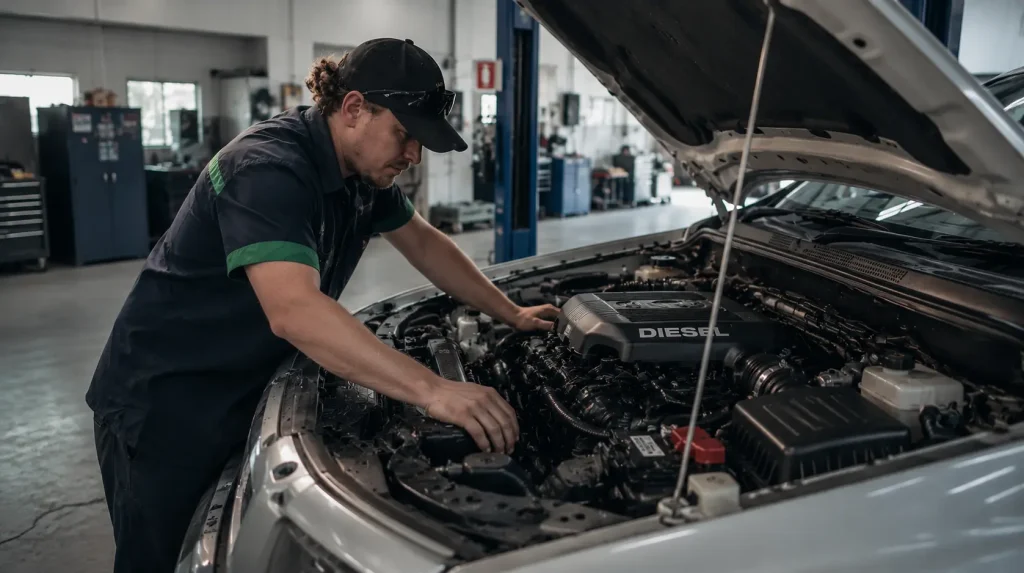
The engine is the heart of any commercial 4×4. Diesel engines are often preferred in trade and fleet vehicles for their
strength and durability, but they require proper servicing to operate efficiently.
Diesel Service Intervals and Maintenance Essentials
Diesel service intervals may vary depending on usage, engine load and environmental conditions. Tradespeople who operate in dusty or harsh environments may require more frequent servicing.
Key diesel maintenance tasks include:
- Oil and filter replacement
- Air filter inspection and cleaning
- Fuel system checks
- Cooling system evaluation
Skipping or extending service intervals can cause buildup in the injectors, reduced performance and higher fuel consumption. Proper maintenance helps reduce downtime and prolong engine life.
Fuel Filter and Injector Health
Fuel quality directly affects engine performance. Commercial vehicles that refuel at varied locations or work in
remote environments may be exposed to contamination risks.
Regular inspection of fuel filters and injectors helps maintain:
- Smooth engine operation
- Reduced smoke and emissions
- Better fuel economy
- Stronger towing performance
Injector issues can lead to power loss and rough idling, so early detection is important.
Suspension and Steering Inspection
Commercial 4×4 vehicles experience unique stresses on their suspension and steering systems. Heavy loads, uneven surfaces and off road driving all contribute to accelerated wear.
Signs of Wear in Heavy Duty Fleet Use
Signs that suspension or steering components need servicing include:
- Uneven tyre wear
- Excessive bouncing or swaying
- Difficulty steering
- Strange noises when turning
- Poor load handling
A proper suspension system ensures stability, especially when carrying tools or towing trailers. Regular checks improve driving comfort and safety for operators.
Brake System Assessment for Trades and Fleet Vehicles
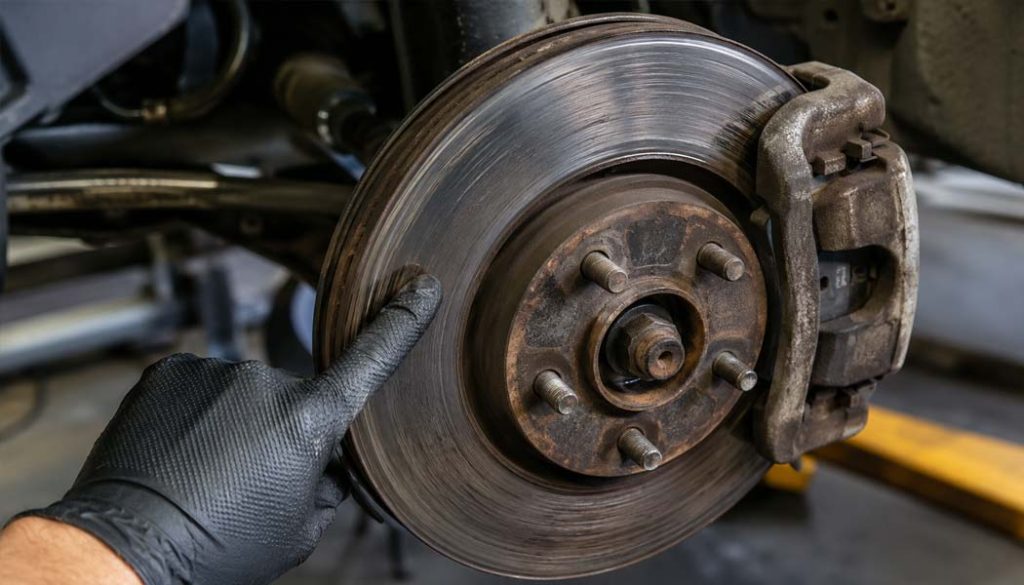
Brakes on commercial vehicles face higher stress due to heavy loads, frequent stopping and towing. Proper servicing ensures each vehicle can stop safely in all environments.
Brake inspections typically include checking:
- Brake pads
- Rotors
- Brake fluid
- Hoses
- Calipers
Ignoring brake wear can lead to longer stopping distances and increased risk of accidents. Keeping brakes in top condition is essential for workplace safety and vehicle reliability.
Transmission and Driveline Evaluation
The transmission and driveline handle power distribution in commercial 4×4 vehicles. When towing or carrying heavy equipment, these systems can face increased pressure.
Regular checks help prevent:
- Slipping gears
- Harsh shifting
- Loss of power
- Driveline vibrations
With consistent servicing, your transmission remains responsive and efficient.
Electrical and Battery System Review
The transmission and driveline handle power distribution in commercial 4×4 vehicles. When towing or carrying heavy equipment, these systems can face increased pressure.
Regular checks help prevent:
- Slipping gears
- Harsh shifting
- Loss of power
- Driveline vibrations
With consistent servicing, your transmission remains responsive and efficient.
Tyres, Wheels and Alignment Checks for Work Vehicles
Tyres are a critical safety component for any commercial 4×4. Jobsite debris, rough roads and heavy loads contribute to faster tyre wear.
Key tyre checks include:
- Tread depth
- Tyre pressure
- Alignment
- Balancing
Proper alignment improves fuel economy, handling and tyre lifespan. Fleet managers benefit from routine monitoring and alignment adjustments.
Safety and Compliance Review for Fleet Readiness
Commercial vehicles must meet safety and compliance standards. These ensure each vehicle is roadworthy and safe in work environments.
Common safety checks include:
- Lights and indicators
- Seat belts
- Mirrors
- Load restraints
- Emergency equipment
Maintaining compliance helps businesses avoid penalties and ensures safer daily operations.
Final Thoughts for Fleet Managers and Tradies
A thorough 4×4 commercial vehicle service checklist protects your investment, improves vehicle performance and minimises downtime. Fleet operators rely on vehicles that withstand demanding environments, tow heavy loads and perform with consistency. With proper servicing and regular inspections, your vehicles remain dependable and ready for daily work challenges. East Coast Commercial Services supports fleet managers and tradespeople with quality servicing designed for heavy duty performance and long term reliability.For expert servicing or to schedule your appointment, contact East Coast Commercial Services today.
FAQ's
1. How often should a commercial 4×4 be serviced?
Most fleets require servicing every six months or based on usage and operating environment.
2. Why are diesel service intervals important?
Proper intervals prevent engine wear, maintain performance and help reduce long term fuel costs.
3. What signs indicate suspension wear?
Common indicators include uneven tyre wear, difficulty steering, excessive bouncing or poor load handling.
4. How often should brake systems be inspected?
Brake systems should be checked during every service, especially on vehicles used for towing or carrying heavy loads.
5. Why is alignment important for commercial vehicles?
Proper alignment reduces tyre wear, improves handling and helps maintain overall vehicle stability.
Other posts you will find helpful