Why Brisbane Fleet Vans Break Down Without Warning (And What the Data Inside Them Already Knew)

“By the time a driver notices something feels off, the onboard computer has often been logging fault codes for weeks.”
Why Brisbane Conditions Accelerate Hidden Faults
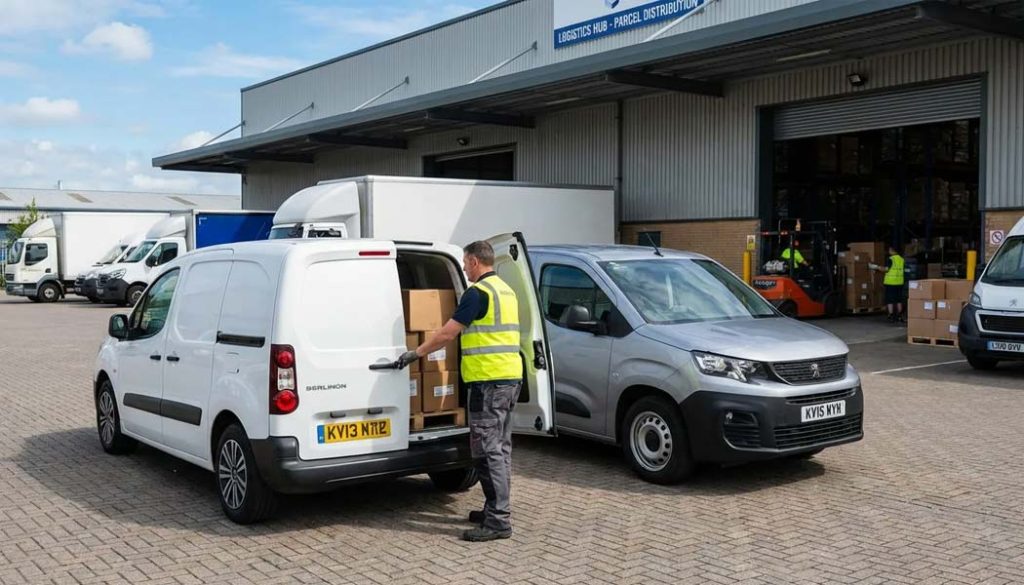
Brisbane’s operating environment places above-average stress on commercial vans. Stop-start traffic through inner-city corridors, sustained heat across eight-plus months of the year, and long daily distances servicing clients across the southern suburbs and out to the CBD corridor all accelerate wear on vehicle electronics, battery systems, and emissions components.
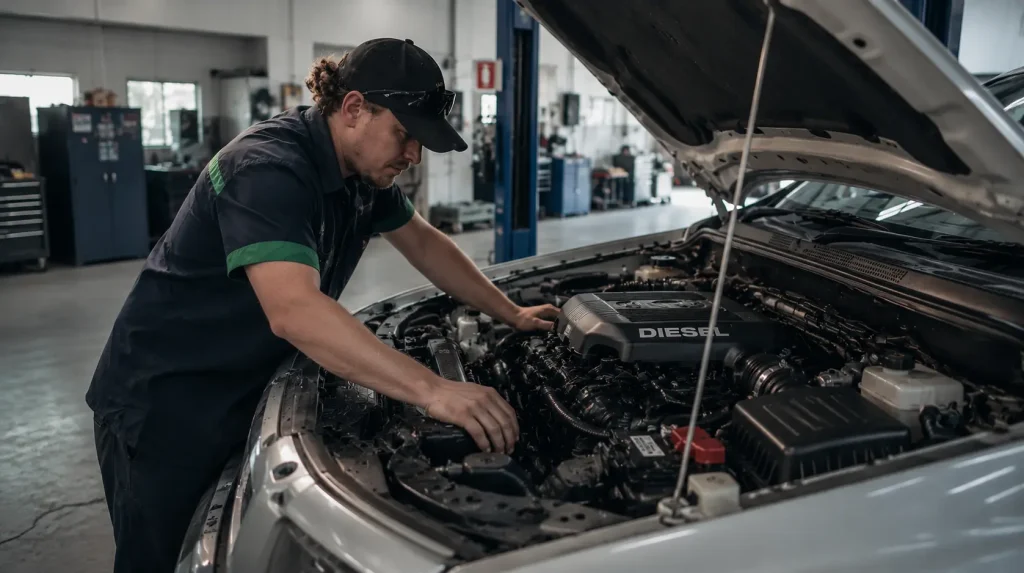
Diesel particulate filters in particular struggle with urban stop-start driving. DPFs need sustained highway speeds to complete passive regeneration. A van doing short suburban runs day after day never reaches the conditions required to clear accumulated soot. The filter blocks quietly over months, often without triggering a warning light until restriction becomes severe.
Battery failures tell a similar story. Heat accelerates internal battery degradation faster than cold climates do. A battery that tests within acceptable voltage range during a routine service can still be weeks away from a starting failure in peak summer conditions. Standard servicing does not catch that. Diagnostic battery load testing does.
What a Proper Fleet Diagnostic Scan Actually Checks
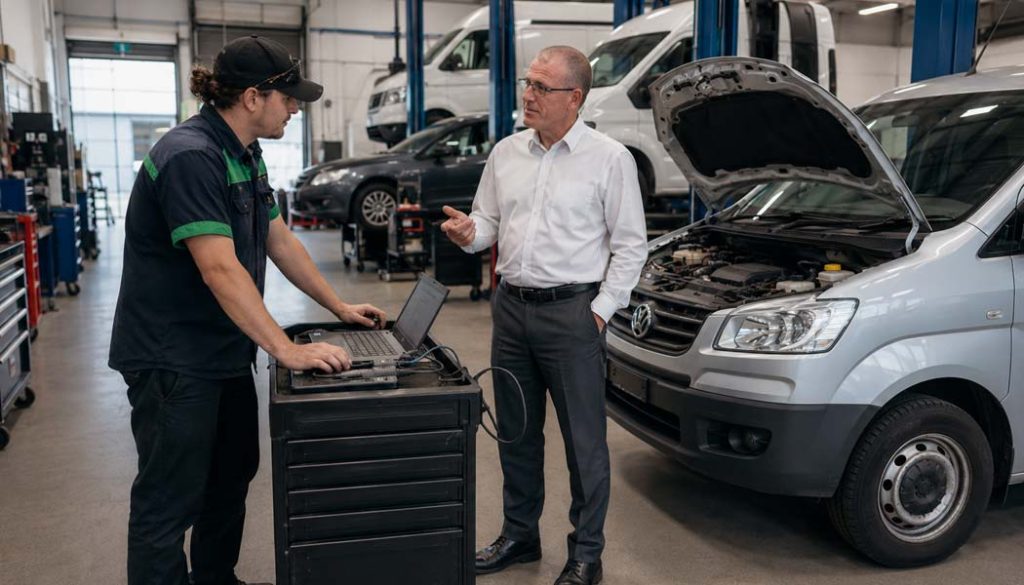
Diagnostic scanning is not just reading warning lights. A professional scan interrogates how all major electronic systems are communicating and whether internal fault codes are building before any mechanical damage has occurred.
| System | What Diagnostics Check | Why It Matters |
|---|---|---|
| ECU | Stored and pending fault codes | Catches developing faults before symptoms appear |
| Battery and alternator | Voltage, load capacity, charge rate | Prevents starting failures, especially in summer |
| DPF | Soot load percentage, regen cycles | Identifies blockage risk before engine protection mode activates |
| Injectors | Individual performance balance | Detects imbalance causing fuel waste and rough running |
| Turbo | Boost pressure and response | Flags pressure loss before performance degrades |
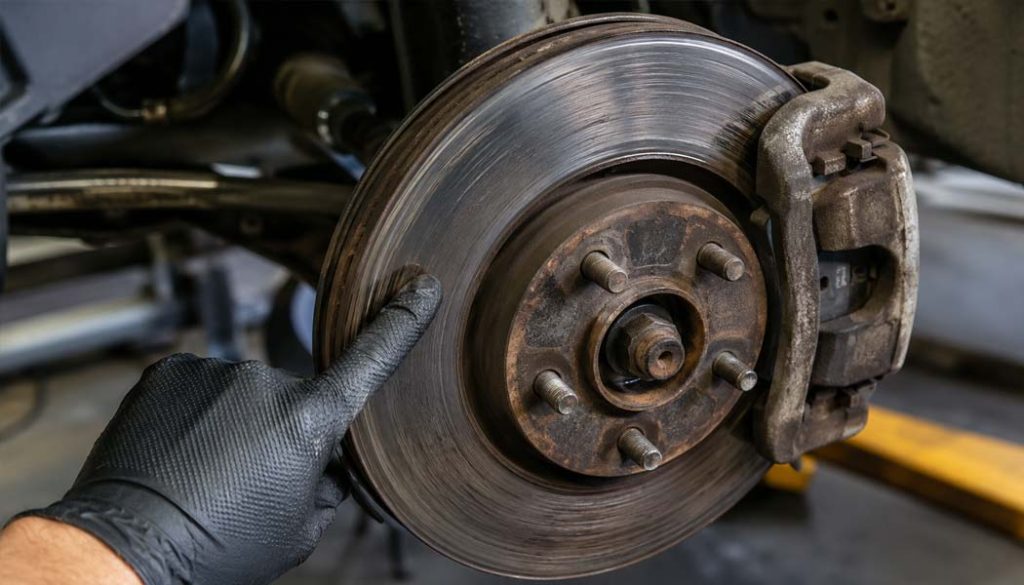
| ABS and braking | Sensor communication and fault codes | Safety-critical; faults often invisible during normal driving |
| Cooling system | Temperature data and pressure behaviour | Identifies risk of overheating under load |
| Transmission | Communication errors and shift data | Catches early signs of internal wear |
Without this level of inspection, most of the above faults remain invisible during a standard service.
The Real Cost Comparison: Preventive vs Reactive
“Emergency repairs don’t just cost more. They cost more at the worst possible time, on your worst possible day.”
| Scenario | Typical Cost Range | Additional Impacts |
|---|---|---|
| Preventive diagnostic scan | $150 to $300 | Scheduled, no operational disruption |
| DPF clean caught early via scan | $400 to $600 | Planned workshop time |
| DPF replacement after full blockage | $2,000 to $4,500+ | Emergency repair, van off road 1 to 3 days |
| Battery replacement caught via scan | $200 to $350 | Scheduled |
| Roadside battery failure | $400 to $700 | Tow, emergency callout, lost day |
| Injector service caught early | $600 to $1,200 | Planned |
| Injector replacement after failure | $1,800 to $3,500+ | Emergency rate, possible secondary damage |
Cost ranges are indicative estimates for commercial van servicing in the Brisbane market. Actual costs will vary by vehicle and severity.
European Vans Require Specialist Attention
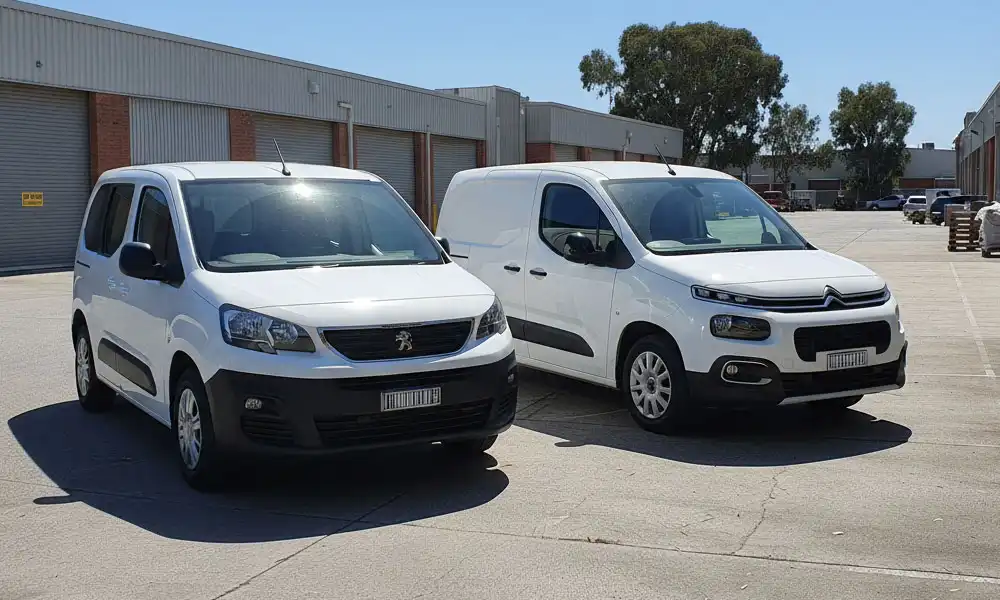
Fiat Ducato, Peugeot Boxer, and Citroën Relay variants are among the most common commercial vans operating in Brisbane fleets. These vehicles use more complex onboard electronics than many Japanese and Korean alternatives, and their diagnostic systems require manufacturer-specific software to access fully.
A generic OBD2 scanner cannot read BSI module data, ECU programming functions, or the deeper fault layers that Peugeot and Citroën systems hold. Diagbox and Planet software exist precisely because standard tools leave a significant portion of the fault picture unread. A van can pass a surface-level scan and still be carrying developing faults that only show up when the right equipment is used.
Workshops without that capability are not giving European fleet operators a complete picture of their vehicles.
When Fleet Vans Should Be Professionally Scanned
Most businesses only book diagnostics when a warning light appears. That approach misses the entire point of preventive scanning.
Commercial fleet vans should be scanned:
- At every routine service interval, regardless of warning lights
- Before any long regional run or extended operating period
- After any electrical repair or battery replacement
- When fuel economy changes by more than five percent over a month
- When drivers report any intermittent symptoms, even minor ones
- When a vehicle has been sitting unused for more than four weeks
The more a van works, the more frequently it should be scanned. A vehicle doing 200 kilometres a day under load is accumulating faults faster than a vehicle doing occasional suburban runs.

What Diagnostic History Tells You Over Time
One scan is useful. A consistent scanning history is significantly more valuable.
When a workshop tracks fault data across multiple service visits, patterns become visible. A van that repeatedly shows injector imbalance codes every four months is telling you something different from one that shows the same code once. A cooling system that trends toward the high end of its normal range across three consecutive scans may be flagging early head gasket behaviour that a single reading would not confirm.
For fleet operators managing five or more vehicles, that historical data becomes a planning tool. It allows maintenance scheduling to shift from reactive to predictive, reduces the number of emergency repairs, and gives a clearer picture of which vehicles in the fleet are carrying the highest risk.
Frequently Asked Questions
1. Can diagnostics detect problems before the van shows any symptoms?
Yes. Many electronic faults produce stored codes in the ECU well before any driving symptom appears. Preventive scanning is specifically designed to find those codes before they develop into failures.
2. How often should a Brisbane fleet van be scanned?
At minimum, every service interval. High-utilisation vehicles operating daily in urban conditions benefit from more frequent scanning, particularly during summer months when battery and cooling system stress is highest.
3. Do European vans like Fiat, Peugeot, and Citroën need specialist diagnostics?
Yes. These vehicles require manufacturer-specific software to access fully. A generic OBD2 scanner cannot read BSI module data or the deeper fault layers these systems hold. A specialist workshop using Diagbox or Planet software will return significantly more fault data than a standard scan.
4. What happens if a warning light appears and then disappears?
The code that triggered it is almost certainly still stored in the ECU. A disappearing warning light does not mean the problem resolved. It often means the fault is intermittent, which can be harder to diagnose later if left unaddressed.
5. Is preventive diagnostics worth the cost for small fleets?
A single avoided emergency repair typically covers the cost of multiple preventive scans. For fleets where even one day of downtime creates operational or customer service problems, the case is straightforward.
Other posts you will find helpful